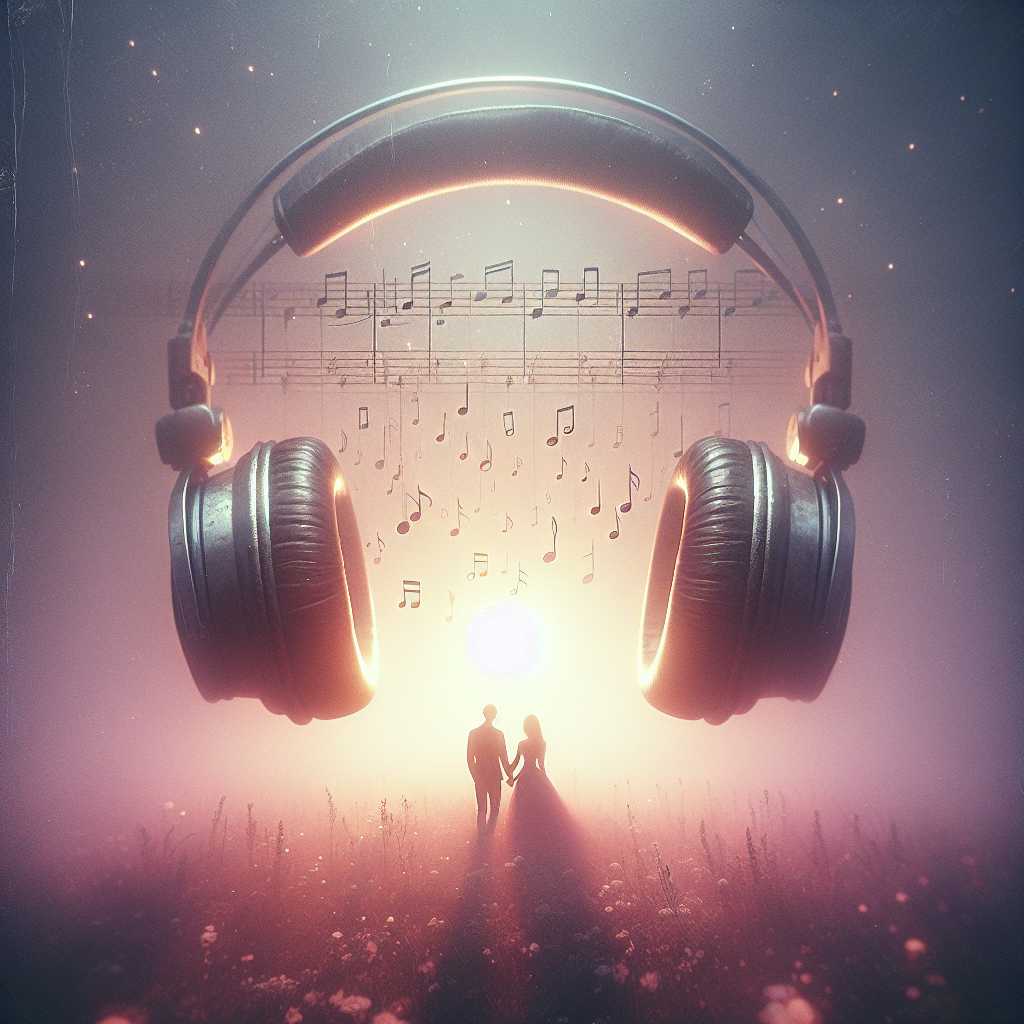

Remembering a loved one who has passed away is a human need that transcends cultures and generations. One of the most moving ways to keep their memory alive is through music. Creating a personalized song in honor of a loved one can be a deeply emotional and therapeutic experience. Here, we will explore how a personalized song can become an eternal tribute, how to create one, and what aspects to consider to make it truly special.
The Power of Music in Remembrance
Music has a unique ability to evoke emotions and memories. Since ancient times, it has been used to tell stories, express feelings, and bring people together. In the context of mourning, music can be a balm that helps process grief and celebrate the life of those we have lost.
Music as a Therapeutic Tool
Various studies have shown that music can have significant therapeutic effects. According to a study published in the "Journal of Music Therapy," music can reduce anxiety, improve mood, and provide comfort during the grieving process. Listening to or creating music can be a way to channel pain constructively.
Music and Memory
Music has a special connection with memory. How many times has a song brought a vivid memory to your mind? This is because music activates multiple areas of the brain, including those related to emotions and memory. A personalized song can serve as a bridge to precious memories, keeping the essence of our loved one alive.
Creating a Personalized Song
Creating a personalized song may seem like a daunting task, especially if you have no musical experience. However, with the right approach, anyone can embark on this creative journey.
Initial Considerations
Define the purpose of the song: Do you want to celebrate your loved one's life, express your grief, or share a special anecdote? Being clear about the purpose will help shape the song.
Choose the musical style: The style should reflect both the tastes of the person being remembered and the message you wish to convey. Were they a fan of jazz, rock, or classical music? Choosing the right genre will add authenticity to the composition.
Determine the structure: The typical structure of a song includes an introduction, verses, a chorus, and a bridge. However, you can be as creative as you want. The structure should support the flow of the narrative you are building.
Writing the Lyrics
Writing the lyrics is perhaps the most personal step of the process. This is where you can truly infuse your emotions and memories.
Gather memories and anecdotes: Talk to family and friends to collect stories and memories. These anecdotes can provide inspiration for the lyrics.
Use sincere and personal language: Authenticity is key. Don't worry about making the words rhyme or sound perfect. The most important thing is that they reflect your true feelings.
Incorporate meaningful details: Mention places, objects, or situations that have special significance. These details will make the song unique and deeply personal.
Musical Composition
If you have no experience in composition, don't worry. There are several ways to approach this stage:
Collaborate with a professional musician: Hiring a composer or musician can be an excellent option. They can help bring your ideas to life and ensure the music perfectly complements the lyrics.
Use music creation software: There are accessible digital tools that allow beginners to experiment with musical composition. Programs like GarageBand or FL Studio can be a good starting point.
Keep the melody simple: The music doesn't need to be complex to be effective. A simple yet emotive melody can be just as powerful.
A woman's song in New York, who lost her mother, became a viral phenomenon. She used a simple melody and words that captured special moments they shared together. The authenticity and love behind her words resonated with thousands of people around the world.
Practical Tips for an Unforgettable Song
As you progress in creating the song, there are several aspects to consider to ensure the final result is meaningful and moving.
Involve Other People
Invite family and friends to participate: They can offer unique perspectives and memories you might not have considered. Additionally, involving them in the process can be a bonding experience that strengthens ties.
Consider involving local musicians: Sometimes, local musicians can add a special touch to the song, whether through instrumental or vocal performance.
Think About the Presentation Context
Decide when and where to share the song: It could be on an anniversary, during a family gathering, or at a commemorative event. The right moment and place can amplify the emotional impact of the song.
Create a special environment: If you decide to present the song at an event, consider creating an atmosphere that honors the remembered person. Decorations, photographs, and other elements can complement the musical experience.
Preserve the Song
Record the song: Make sure to have a quality recording. You can do this in a professional studio or with home recording equipment. Having a recording will allow you to relive the song whenever you wish.
Share the song with the community: You might consider uploading the song to streaming platforms or sharing it on social media. Music has the power to touch others, and your tribute could resonate with people beyond your immediate circle.
Inspiring Examples
Tributes that Transcend Time
Throughout history, many have created songs to remember their loved ones. An iconic example is Eric Clapton's song "Tears in Heaven," written in memory of his son. This song has moved millions of people and continues to be a testament to the power of music to heal and remember.
Contemporary Success Stories
Today, technology has allowed more people to create and share personalized songs. Platforms like YouTube and SoundCloud are full of examples of musical tributes that have touched the hearts of thousands of listeners. These stories show that you don't need to be a professional musician to create something with a profound emotional impact.
Ultimately, a personalized song is more than a musical composition. It is an eternal gift that keeps a loved one's memory alive, celebrating their life and legacy in a way that words alone cannot capture. Music is a universal language, and through it, we can find comfort, connection, and a sense of continuity.